
PUMPKIN
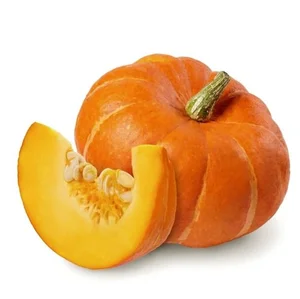
Nutritional Value, Phytochemical Potential, and Therapeutic Benefits of Pumpkin
Pumpkin is more than just a seasonal food—it is packed with nutrients that can support overall health. Different parts of the pumpkin, including the flesh, seeds, and peel, contain important vitamins, healthy fats, antioxidants, and plant compounds that help the body function properly.
Pumpkin is a natural source of beta-carotene, vitamin E, fiber, and beneficial fatty acids, which help protect cells from damage and support immune and digestive health. Pumpkin seeds, in particular, are rich in healthy fats, plant sterols, and amino acids that may support heart health, hormone balance, and prostate function.
Research discussed in the article suggests that pumpkin and pumpkin seed products may help reduce inflammation, fight oxidative stress, support gut and stomach health, and promote healthy wound healing. Pumpkin has also shown antimicrobial properties and may help protect against certain digestive and metabolic issues.
Overall, the article highlights pumpkin as a nutrient-dense, functional food with a long history of traditional use and growing scientific support. Its natural compounds make it a valuable ingredient for supporting everyday wellness and long-term health when included as part of a balanced diet.