
SUNFLOWER SEEDS
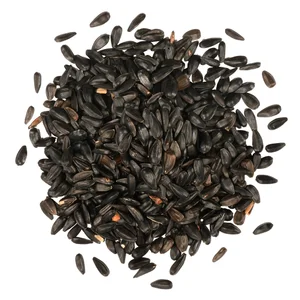
Effects of feeding sunflower oil or seal blubber oil to horses with recurrent airway obstruction
This study looked at whether adding different types of dietary oils could help horses with recurrent airway obstruction (RAO), a chronic breathing condition similar to asthma in people. RAO causes inflammation in the lungs and makes breathing more difficult, often triggered by dust, hay, or stable environments.
Researchers compared two oils:
Sunflower oil, which is high in omega-6 fatty acids
Seal blubber oil, which is rich in long-chain omega-3 fatty acids (like EPA and DHA)
Nine horses with RAO were fed one oil at a time for 10 weeks each, while researchers closely monitored their lung health, blood fat levels, immune cells in the airways, and overall breathing function.
What the Study Found
The horses readily ate both oils, showing they were safe and palatable.
The fatty acids from the oils were successfully absorbed into the blood and immune cells.
Horses given the omega-3–rich oil had:
A healthier balance of omega-3 to omega-6 fats in their bodies
Lower numbers of inflammatory cells in the lungs, suggesting reduced airway inflammation
However, breathing performance and visible symptoms (like coughing or labored breathing) did not noticeably improve during the study period.
What This Means
Omega-3 fatty acids from marine sources appear to help calm inflammation in the lungs of horses with RAO at a cellular level. While this did not immediately improve breathing or clinical symptoms, the reduction in inflammatory cells suggests omega-3s may play a supportive role in long-term respiratory health.
The researchers note that RAO is a complex condition influenced by many factors, including environment and management. Because of this, omega-3 supplementation alone may not be enough to fully resolve symptoms, but it could be a useful part of a broader management plan.
Bottom Line
Adding omega-3–rich oils to a horse’s diet may help reduce lung inflammation associated with chronic respiratory conditions. More long-term research is needed to understand how these oils might improve breathing comfort and overall respiratory health when combined with proper care and environmental management.