
CHASTEBERRY
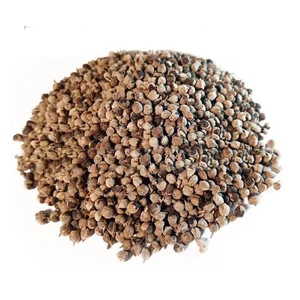
Chasteberry
Common Names
chasteberry, chaste tree, gattilier, monk’s pepper, vitex
Chasteberry (Vitex agnus-castus) is a plant-based supplement commonly used to support women’s hormonal health. It has traditionally been used for concerns related to the menstrual cycle and hormonal balance.
Chasteberry is most often taken to help ease premenstrual symptoms, especially breast tenderness and discomfort. Some people also use it for irregular menstrual cycles or symptoms related to hormonal changes, though research in these areas is still limited.
Short-term use of chasteberry is generally well tolerated. Mild side effects can include stomach upset, headache, or skin irritation. Because chasteberry may influence hormone-related pathways, it is not recommended for use during pregnancy or breastfeeding and may not be suitable for individuals with hormone-sensitive conditions.
As with any supplement that may affect hormones, it’s a good idea to speak with a healthcare professional before use.
Additionally, ALE helped counteract oxidative stress by moderating antioxidant enzyme activity and lowering the expression of inflammatory cytokines at the genetic level. The extract also inhibited apoptosis-related signaling pathways that were otherwise activated during disease progression. In liver cell experiments, ALE directly reduced inflammation and cell death caused by oxidative damage.
Overall, the findings indicate that artichoke leaf extract plays a direct role in protecting liver cells by suppressing inflammation and preventing programmed cell death during the development of fatty liver disease. These results suggest that ALE may be a beneficial nutritional intervention for slowing or preventing the progression of liver conditions such as hepatic steatosis and non-alcoholic steatohepatitis (NASH).